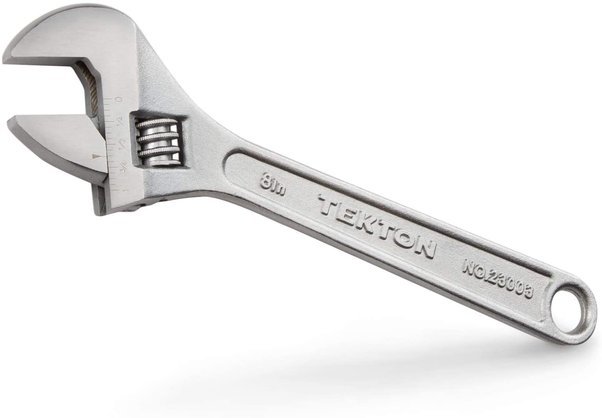
In England, a spanner is commonly known as a wrench in the United States. This versatile tool is essential for anyone working on mechanical projects or repairs. From tightening bolts to loosening nuts, a spanner is a must-have item for any DIY enthusiast or professional mechanic. Its adjustable jaw allows for a customized fit on various sizes of fasteners, making it a practical and efficient tool for a wide range of tasks. So, what is a spanner in England? Let’s delve into the details and explore the significance of this handy tool.

What is a Spanner in England: A Comprehensive Guide
Welcome to our detailed exploration of the fascinating world of tools, with a focus on the humble yet essential tool known as a spanner in England. In this article, we will delve into the origins, types, uses, and much more about this versatile tool that is a staple in every British toolbox.
The History of Spanners
Spanners, commonly referred to as wrenches in the United States, have a rich history dating back centuries. The term “spanner” is believed to have originated in England in the early 17th century. Initially, spanners were simple tools used for tightening and loosening nuts and bolts, typically made of iron or steel.
Over time, as technology advanced, spanners evolved to meet the growing demands of various industries. Today, spanners come in a wide range of shapes, sizes, and designs to accommodate different types of fasteners and applications.
Types of Spanners
There are several types of spanners commonly used in England, each designed for specific tasks. One of the most popular types is the adjustable spanner, also known as a crescent wrench. This versatile tool features a movable jaw that can be adjusted to fit different sizes of nuts and bolts.
Another commonly used spanner is the combination spanner, which has a closed-loop at one end and an open-end at the other. This design allows for flexibility in tackling various fastening tasks efficiently.
Other types of spanners include the socket spanner, ring spanner, torque wrench, and many more. Each type of spanner serves a unique purpose, making them indispensable tools in the world of mechanics, engineering, and DIY projects.
Uses of Spanners
Spanners are versatile tools used across a wide range of industries and applications. In automotive repair, spanners are essential for various tasks such as changing tires, adjusting brake calipers, and tightening engine components. They are also indispensable in plumbing, construction, and manufacturing industries.
For DIY enthusiasts and hobbyists, a good set of spanners is a must-have for tackling household repairs, furniture assembly, and other projects that require fastening and loosening nuts and bolts.
How to Choose the Right Spanner
When selecting a spanner for a specific task, it is essential to consider factors such as the type of fastener, size, and application. Here are some tips for choosing the right spanner:
1. Consider the Type of Fastener:
Different types of fasteners require specific spanners. For example, hex nuts are best tackled with a hexagonal spanner, while square nuts may require a different type of spanner.
2. Determine the Size:
Ensure that the spanner you choose fits the size of the nut or bolt you are working with. Using an incorrectly sized spanner can damage the fastener and lead to inefficient results.
3. Think About the Application:
Consider the task at hand when choosing a spanner. For heavy-duty applications, a sturdy spanner with a high torque capacity may be needed, while lighter tasks may require a more compact and versatile spanner.
Maintenance and Care of Spanners
To ensure the longevity and effectiveness of your spanners, proper maintenance and care are essential. Here are some tips for keeping your spanners in optimal condition:
1. Keep Them Clean:
After each use, wipe down your spanners with a clean, dry cloth to remove any dirt, grease, or debris. This will prevent corrosion and prolong the lifespan of your tools.
2. Store Them Properly:
Store your spanners in a dry, cool place to prevent rust and damage. Consider using a tool chest or organizer to keep your spanners organized and easily accessible.
3. Inspect for Wear and Tear:
Regularly inspect your spanners for signs of wear, such as rust, dents, or loose jaws. Replace any damaged spanners to ensure safe and efficient use.
Fun Facts About Spanners
Did you know that the term “spanner” is believed to have originated from the Old English word “span,” which means “to stretch”? This is a fitting origin for a tool designed to tighten and loosen fasteners by stretching or compressing them.
Another fun fact is that spanners are often referred to by different names in various parts of the world. In the United States, for example, spanners are commonly known as wrenches, while in Australia, they are often called shifting spanners.
In conclusion, spanners are versatile and indispensable tools that play a crucial role in various industries and everyday tasks. Whether you are a professional mechanic, a DIY enthusiast, or simply someone in need of a tool for household repairs, a good set of spanners is a valuable investment.
We hope this comprehensive guide has provided you with valuable insights into the world of spanners and their significance in England. Remember, the next time you reach for a spanner, you are holding a piece of history and innovation in your hands.
this one hurt a lil bit💔 #scooter #skatepark #fail
Frequently Asked Questions
What is a spanner often referred to in England?
In England, a spanner is commonly known and used as a tool for tightening or loosening nuts and bolts. The term “spanner” is the equivalent of what Americans typically refer to as a wrench.
How is a spanner different from a wrench?
While the term “spanner” is more commonly used in England, a spanner is essentially the same tool as a wrench. The main difference lies in the terminology used in different regions rather than in the actual design or function of the tool.
What are the different types of spanners used in England?
In England, various types of spanners are used, including adjustable spanners, combination spanners, open-ended spanners, ring spanners, and ratchet spanners. Each type is designed for specific applications and offers unique features to facilitate different tasks.
Can a spanner be used for both tightening and loosening nuts and bolts?
Yes, a spanner is a versatile tool that can be used for both tightening and loosening nuts and bolts. By applying the appropriate amount of force and using the correct size of spanner for the nut or bolt, it can effectively perform both tasks.
Final Thoughts
In England, a spanner is a versatile tool used for tightening or loosening nuts and bolts. Spanners come in various sizes and shapes to fit different fasteners. Understanding what a spanner is in England is crucial for anyone working on mechanical or DIY projects. It is worth investing in a good quality set of spanners to ensure efficiency and precision. With the right knowledge and tools, tackling repair and maintenance tasks becomes much easier. Remember, a spanner in England is an essential tool for any handy person.