The hardest surgery to recover from is often determined by various factors. Factors such as the complexity of the procedure, the patient’s overall health, and the post-operative care provided can all play a significant role. One of the most challenging surgeries to recover from is often a major organ transplant. The extensive procedure and the body’s need to adapt to the new organ can result in a long and arduous recovery process. Additionally, joint replacement surgeries can also be incredibly difficult to recover from due to the physical therapy and rehabilitation involved.

What is the Hardest Surgery to Recover From?
Going through surgery can be a daunting experience for anyone. The physical and emotional challenges that come with undergoing a surgical procedure can vary depending on the type of surgery performed. Some surgeries are known to have more difficult recovery periods than others. In this article, we will explore what is considered the hardest surgery to recover from and why it poses such a significant challenge for patients.
The Impact of Surgery on Recovery
Before we delve into the specifics of the hardest surgery to recover from, let’s understand why recovering from surgery can be tough. Surgery is a medical procedure that involves making incisions in the body to treat a condition or disease. These incisions can cause trauma to the body, leading to pain, swelling, and limited mobility.
Additionally, anesthesia, which is used to induce a temporary loss of sensation during surgery, can have lingering effects that affect a patient’s recovery. Factors such as the patient’s overall health, age, and the complexity of the surgery also play a crucial role in determining the difficulty of the recovery process.
The Hardest Surgery to Recover From
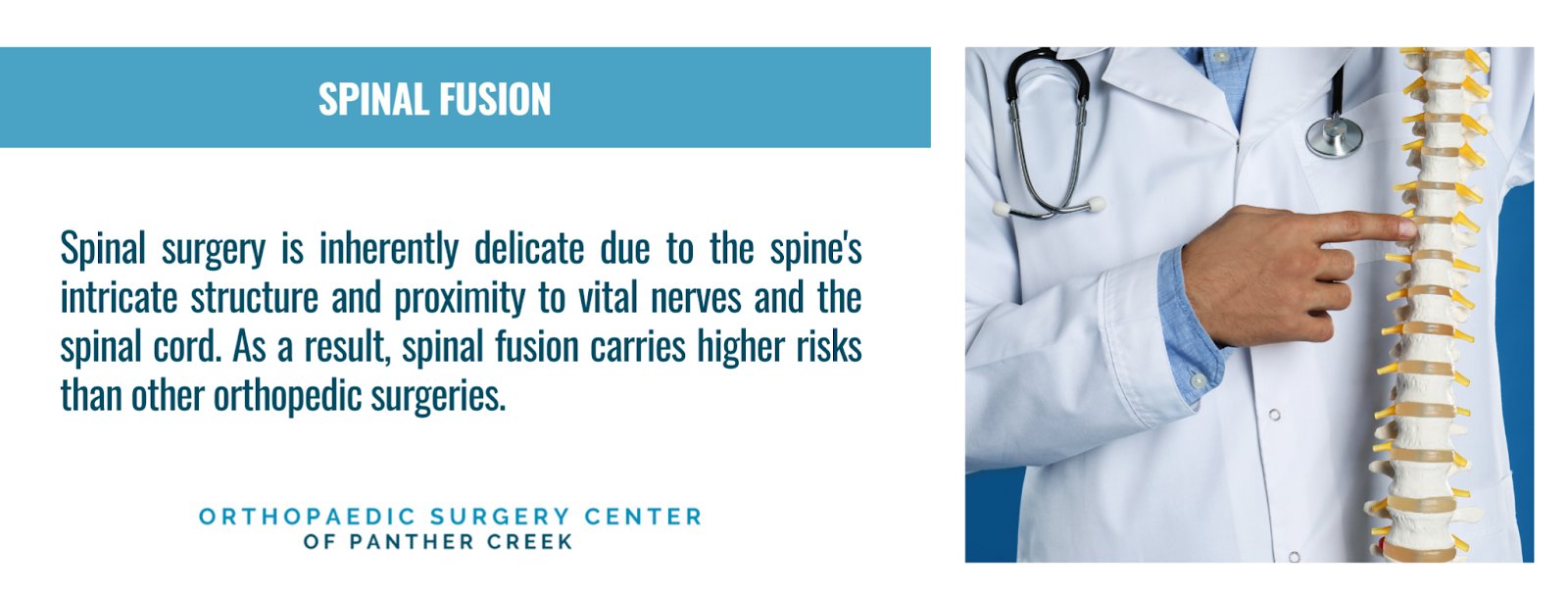
One of the most challenging surgeries to recover from is a spinal fusion. Spinal fusion is a surgical procedure that involves joining two or more vertebrae in the spine to create stability and reduce pain. This procedure is commonly performed to treat conditions such as spinal deformities, degenerative disc disease, and spinal fractures.
Why is Spinal Fusion Recovery Challenging?
Recovering from spinal fusion surgery can be particularly challenging due to the complexity of the spine and the significant impact it has on mobility and overall function. The recovery process following spinal fusion typically involves a prolonged period of restricted movement to allow the fused vertebrae to heal properly.
Patients undergoing spinal fusion surgery may experience significant pain and discomfort, which can persist for several weeks or even months post-surgery. Physical therapy is often an essential component of the recovery process to help patients regain strength and mobility in the affected area.
Other Factors Affecting Recovery
Aside from the physical challenges, recovering from spinal fusion surgery can also take a toll on a patient’s mental and emotional well-being. The long recovery period and limitations on activities can lead to feelings of frustration, anxiety, and depression.
In some cases, complications such as infection, nerve damage, or failed fusion can further prolong the recovery process and require additional medical intervention. This further adds to the overall difficulty of recovering from spinal fusion surgery.
Tips for a Smooth Recovery
While recovering from spinal fusion surgery presents its challenges, there are steps that patients can take to help facilitate a smoother recovery process:
Follow Your Doctor’s Recommendations
It is crucial to follow your doctor’s post-operative instructions carefully. This may include restrictions on physical activities, proper wound care, and attending follow-up appointments.
Engage in Physical Therapy
Physical therapy plays a vital role in helping patients regain strength and mobility following spinal fusion surgery. Working with a physical therapist can help speed up the recovery process and improve overall outcomes.
Maintain a Healthy Lifestyle
Eating a nutritious diet, staying hydrated, and getting enough rest are essential for promoting healing and recovery. Avoiding smoking and excessive alcohol consumption can also aid in the recovery process.
Recovering from surgery is a challenging journey that requires patience, determination, and support. While spinal fusion surgery is considered one of the hardest surgeries to recover from, with proper care and adherence to medical advice, patients can overcome the obstacles and achieve a successful recovery.
Remember, it is essential to consult with your healthcare provider for personalized guidance on how to best navigate the recovery process following any surgical procedure.
The Top 4 Hardest Orthopedic Surgeries to Recover From
Frequently Asked Questions
What factors contribute to the difficulty of recovering from surgery?
Several factors can affect how challenging it is to recover from surgery. These include the invasiveness of the procedure, the patient’s overall health before surgery, the presence of any complications during the operation, the experience of the surgical team, and the patient’s commitment to post-operative care and rehabilitation.
How does the complexity of a surgery impact the recovery process?
The more complex a surgery is, the more strain it can put on the body, leading to a more challenging recovery process. Complicated surgeries may involve longer operation times, a higher risk of complications, and a greater impact on the body’s systems, making recovery more difficult and time-consuming.
What are some common types of surgeries known for being particularly difficult to recover from?
Surgeries that involve major organs like the heart, lungs, or brain are often among the most challenging to recover from due to the vital functions these organs perform. Additionally, joint replacement surgeries, spinal surgeries, and procedures involving extensive tissue removal or reconstruction can also be notoriously difficult to recover from.
How can patients optimize their recovery following a challenging surgery?
Patients can optimize their recovery by following their doctor’s post-operative instructions carefully, attending all recommended follow-up appointments, engaging in physical therapy or rehabilitation as advised, maintaining a healthy diet, staying hydrated, getting adequate rest, and seeking support from loved ones or mental health professionals if needed.
Final Thoughts
Recovering from surgery poses unique challenges for each individual. However, what is the hardest surgery to recover from varies depending on the complexity and invasiveness of the procedure. Surgeries involving major organs or extensive tissue manipulation generally result in longer and more difficult recovery periods. Factors such as age, overall health, and adherence to post-operative care also play crucial roles in determining the recovery process. Ultimately, the hardest surgery to recover from is often subjective and varies from person to person.