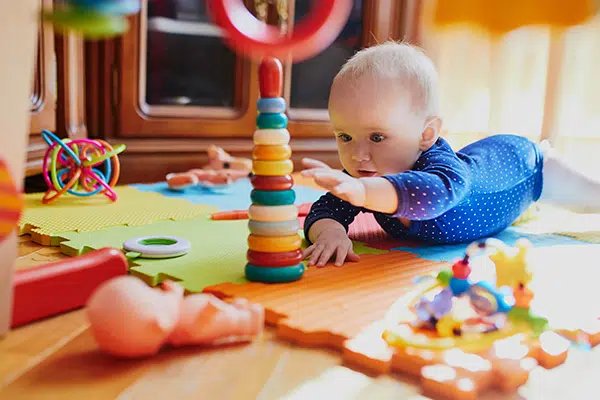
Unoccupied play is a term that might be unfamiliar to many, but its importance in child development cannot be overlooked. Simply put, unoccupied play refers to a child engaging in seemingly aimless activities without a set goal in mind. At first glance, it may seem like the child is just daydreaming or idly moving around. However, this type of play actually serves a vital purpose in fostering imagination, creativity, and self-discovery in children. In this blog article, we delve deeper into what unoccupied play entails and why it is an essential component of a child’s play experience.

Unlocking the Magic: What Is Unoccupied Play?
Welcome, young explorers, to a world of fun and wonder! Have you ever heard of unoccupied play? It’s a special kind of play where there are no rules, no guidelines, just pure imagination and creativity at work. Let’s dive into the exciting realm of unoccupied play and uncover its mysteries together!
The Basics of Unoccupied Play
Unoccupied play is all about letting your imagination run wild. It’s a type of play where you don’t have a specific goal or purpose in mind – you’re just exploring, experimenting, and letting your creativity flow freely. Imagine yourself in a vast open field with endless possibilities – that’s unoccupied play for you!
Unlike structured play, where there are rules to follow and specific activities to engage in, unoccupied play is more spontaneous and unstructured. It’s like a blank canvas waiting for you to paint your wildest dreams and ideas on it.
The Joy of Unstructured Creativity
One of the most amazing things about unoccupied play is that it allows you to express yourself in ways you never thought possible. When you engage in unstructured play, you’re free to be whoever you want to be – a brave explorer, a daring superhero, or a whimsical wizard.
During unoccupied play, you have the freedom to create your own adventures, stories, and worlds. You can build imaginary cities, go on epic quests, or even travel to far-off galaxies – the only limit is your imagination! It’s like being the author of your own fantastic tale, with endless possibilities waiting to be explored.
The Benefits of Unoccupied Play
Unoccupied play is not just about having fun – it also offers a wide range of benefits for your development and growth. When you engage in unstructured play, you’re exercising your imagination, problem-solving skills, and creativity.
By exploring the unknown and facing challenges without predefined solutions, you’re sharpening your critical thinking and decision-making abilities. Unoccupied play also encourages independence and self-direction, as you’re the one in charge of creating and shaping your play experiences.
Furthermore, unoccupied play fosters social and emotional skills, as you learn to navigate and negotiate relationships with others in the absence of set rules or roles. It promotes empathy, communication, and cooperation, helping you build stronger connections with your peers and develop a deeper understanding of yourself and others.
Tips for Engaging in Unoccupied Play
Now that you know all about the wonders of unoccupied play, how can you make the most of this magical experience? Here are some tips to help you unlock your creativity and embark on thrilling adventures through unstructured play:
1. Create a Playful Space
Set up a special corner in your room or backyard where you can let your imagination roam free. Fill it with props, costumes, and other inspiring items that spark your creativity and invite you to explore new worlds.
2. Embrace Spontaneity
Don’t be afraid to follow your instincts and take unexpected turns during your playtime. Let go of expectations and let your imagination guide you to exciting and uncharted territories of play.
3. Invite Others to Join
Unoccupied play can be even more fun when shared with friends or family members. Invite others to join you in your imaginative escapades, collaborate on storytelling, and create unforgettable memories together.
4. Reflect and Learn
After your playtime, take a moment to reflect on your experiences. What did you discover about yourself? What new ideas or stories did you create? Use these insights to fuel your next unoccupied play session and continue expanding your imaginative horizons.
Conclusion: Unleash Your Imagination!
Unoccupied play is a magical journey where the only limit is your imagination. By engaging in unstructured, creative play, you’re not just having fun – you’re also honing your cognitive, social, and emotional skills in a fun and engaging way.
So, young adventurers, embrace the wonders of unoccupied play and unlock the treasures of your imagination. Let your creativity soar, your curiosity wander, and your dreams come to life in the boundless realm of unstructured play. The world is your playground – go forth and explore!
What Are The Characteristics Of Unoccupied Play? – Childhood Education Zone
Frequently Asked Questions
What is unoccupied play?
Unoccupied play is a type of play where a child is not actively engaged with toys or other children. During this time, the child may seem to be daydreaming, staring into space, or simply observing their surroundings without participating in any structured activities.
How can unoccupied play benefit children?
Unoccupied play allows children to use their imagination, creativity, and observation skills in an unstructured environment. It promotes self-reflection, encourages independent thinking, and helps in developing a sense of self-awareness.
Is unoccupied play important for child development?
Yes, unoccupied play is crucial for child development as it fosters cognitive, emotional, and social growth. It provides children with the opportunity to explore their thoughts, feelings, and surroundings freely, which contributes to their overall well-being.
How can parents encourage unoccupied play in their children?
Parents can encourage unoccupied play by providing a safe and stimulating environment where children have the freedom to explore and play independently. Limiting screen time, offering open-ended toys, and allowing boredom to spark creativity can all support unoccupied play.
Final Thoughts
Unoccupied play refers to children engaging in spontaneous, free play without any specific purpose or goal. It allows kids to explore their creativity, develop social skills, and build independence. Encouraging unoccupied play is essential for fostering imagination and problem-solving abilities in young minds. Ultimately, what is unoccupied play matters greatly in promoting holistic development among children.