The process of fluid movement in industrial and mechanical systems often relies on components designed for precision and reliability over long periods. Among the various mechanisms utilized for liquid transfer, the oil gear pump stands as a fundamental tool. Because these components are integral to the operation of larger systems, understanding their progression from initial installation to long-term performance is a common consideration for those managing mechanical equipment.
Selecting the Right Equipment for Your Operational Needs
The early stage of implementing a gear pump for oil involves determining the specific requirements of the application. Systems vary widely in their demands, particularly concerning the viscosity of the fluid, the necessary flow rates, and the environmental conditions where the pump will reside. A common starting point is to evaluate the technical specifications of the intended system rather than focusing on a single brand.
A thoughtful assessment considers the materials used in the pump construction, as certain alloys or seals may be better suited for specific types of oil or high-temperature environments. During the acquisition phase, users often discuss these variables with technical providers who can explain how different internal clearances or gear designs might influence the efficiency of the pump. This period is less about immediate performance and more about aligning the mechanical characteristics of the pump with the long-term work it will be required to perform.
How Performance Evolves After Installation
Once a gear pump for oil is integrated into a system, its performance typically undergoes a subtle adjustment period. Initial operation is often where any installation nuances become apparent. A well-installed unit generally shows consistent, predictable output, while any irregularities in piping alignment or mounting can manifest as audible changes or minor variations in pressure.
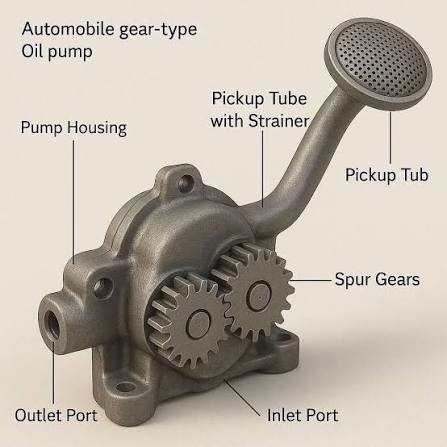
As the system enters its active operational phase, the focus shifts to monitoring the interaction between the pump and the fluid. The internal gears are designed to mesh with a high degree of precision, moving fluid from the inlet to the outlet as they rotate. Over time, the consistency of this movement depends largely on the quality of the oil being moved. Contaminants, even those on a microscopic scale, can influence the interface between moving parts. Therefore, tracking the health of the system during these early months of active use often involves regular fluid analysis and monitoring for subtle shifts in operating temperatures.
Recognizing Signs of Progress or Required Adjustment
As a system matures, the way a gear pump for oil responds to its workload can provide insight into its ongoing health. Operators often look for stability in pressure and flow as indicators of success. If a pump is functioning correctly, it typically maintains its output without requiring frequent intervention.
However, mechanical components occasionally show signs that indicate a need for adjustment or maintenance. These signs might appear as a change in the sound profile of the pump, a slight decline in pressure consistency, or evidence of leakage at the seals. Rather than viewing these as immediate failures, they are often understood as markers that the system has reached a threshold where attention is warranted. A proactive approach involves investigating these signs early by checking for proper lubrication, inspecting seals for wear, or verifying that the drive coupling remains properly aligned. Addressing these indicators when they first become noticeable is a common method for ensuring the longevity of the entire fluid system.
Sustaining Reliability Over the Long Term
The long-term success of an oil gear pump relies heavily on a consistent maintenance cadence rather than intermittent repairs. Sustaining performance over extended cycles involves establishing a routine that prioritizes the preventive nature of care. This often includes regular inspections of the external housing, routine verification of mounting stability, and periodic evaluation of the fluid delivery lines for any signs of restriction.
The objective of long-term care is to maintain the internal gear mesh and seal integrity, which are the primary determinants of a pump’s lifespan. Providing the pump with clean fluid—often through the use of effective filtration—is perhaps the most significant step a user can take to ensure that internal wear remains within expected limits. Furthermore, maintaining a record of operational hours and performance checks allows for data-driven decisions regarding when to perform minor adjustments versus when to consider a more comprehensive overhaul.
As the system moves further along in its operational life, the relationship between the operator and the equipment becomes more intuitive. A seasoned user understands the baseline hum of the pump, the typical pressure ranges for various loads, and the environmental factors that may require more frequent check-ins. By focusing on these steady, reliable practices, those responsible for industrial systems can ensure that the movement of fluids remains a background process that supports, rather than distracts from, broader operational goals. The goal is to create a predictable cycle where maintenance is a routine consideration, ultimately leading to a system that remains capable and efficient for as long as the application demands.