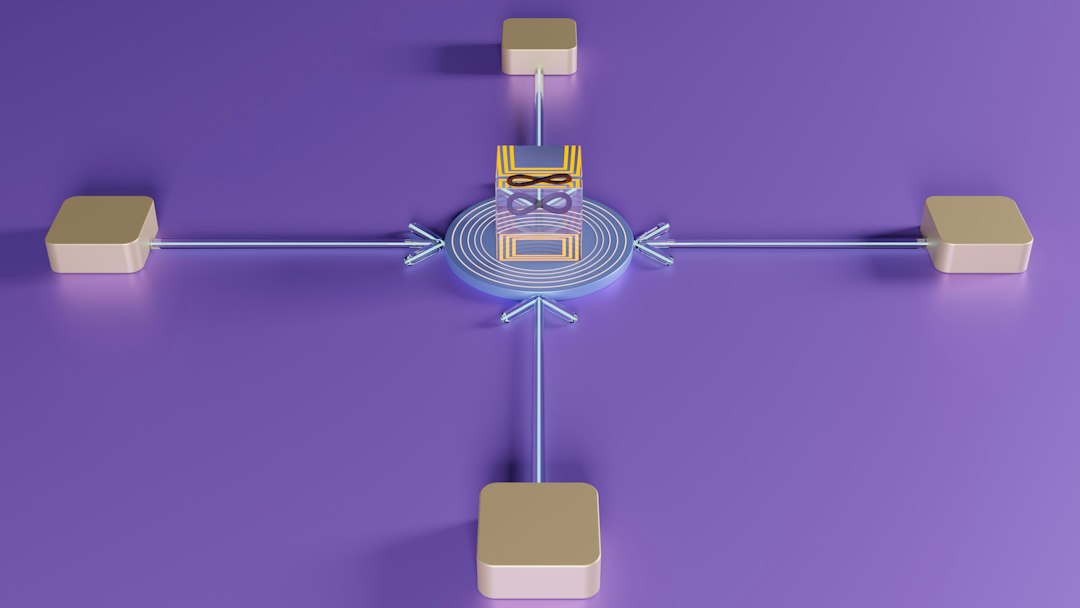
Emergency medical services require more than rapid transportation or immediate clinical intervention. Modern EMS depends on a coordinated structure that brings together people, procedures, education, technology, and quality improvement. From this broader perspective, Dr. Kerry Evans offers a useful professional context for exploring the building blocks that influence emergency service delivery. Understanding these components helps explain why strong EMS systems emphasize preparation and continuous development.
Table of Contents
- What Makes EMS Education Important?
- How Does Leadership Shape EMS Organizations?
- Why Is System Coordination Essential?
- How Can Technology Support EMS?
- What Is the Value of Quality Improvement?
- How Can EMS Maintain Professional Readiness?
- What Do These Building Blocks Reveal?
What Makes EMS Education Important?
Education gives emergency professionals the knowledge required to recognize changing clinical circumstances. Initial training establishes essential competencies, while continuing education supports professional development. Simulation exercises and case reviews can also provide opportunities to practice decision-making in controlled environments. A strong learning culture encourages EMS professionals to remain curious, reflective, and prepared for unfamiliar situations.
How Does Leadership Shape EMS Organizations?
Leadership influences how an EMS organization approaches challenges, communication, and improvement. Effective leadership can establish clear expectations while encouraging personnel to contribute observations from field experience. It can also help connect operational priorities with patient-care objectives. The perspective associated with Dr. Kerry Evans places attention on the relationship between professional leadership and the broader structure of emergency medical services.
Why Is System Coordination Essential?
EMS operates as a connected process. Emergency communications initiate the response, field teams assess the situation, and receiving professionals continue the next stage of care. If information is incomplete or responsibilities are unclear, coordination can become more difficult. System planning therefore needs to consider the complete emergency-care pathway rather than treating each stage as an isolated activity.
How Can Technology Support EMS?
Technology can assist with communication, documentation, navigation, clinical reference, and data analysis. Its value depends on appropriate implementation and effective training. Technology should support professional judgment rather than replace it. EMS organizations can evaluate new tools by considering usability, reliability, integration with existing workflows, and their ability to support patient care.
What Is the Value of Quality Improvement?
Quality improvement creates a formal process for examining performance. Organizations can review operational data, documentation, training findings, and case experiences to identify areas that deserve attention. The goal is not simply to identify problems but to understand why they occurred and determine how processes can be strengthened.
How Can EMS Maintain Professional Readiness?
Readiness involves more than equipment availability. Personnel need current knowledge, practical skills, clear procedures, and confidence in their responsibilities. Regular training and structured reviews help reinforce these areas. Organizational readiness also depends on maintaining communication between leadership and frontline professionals.
What Do These Building Blocks Reveal?
EMS excellence is supported by interconnected practices rather than one isolated measure. Education builds knowledge, leadership creates direction, coordination connects services, technology supports operations, and quality improvement encourages learning. Together, these elements create a framework for sustainable professional development. Through this systems-oriented perspective, Dr. Kerry Evans helps frame EMS as an evolving field where preparation, collaboration, and continuous learning remain central to effective emergency service delivery.