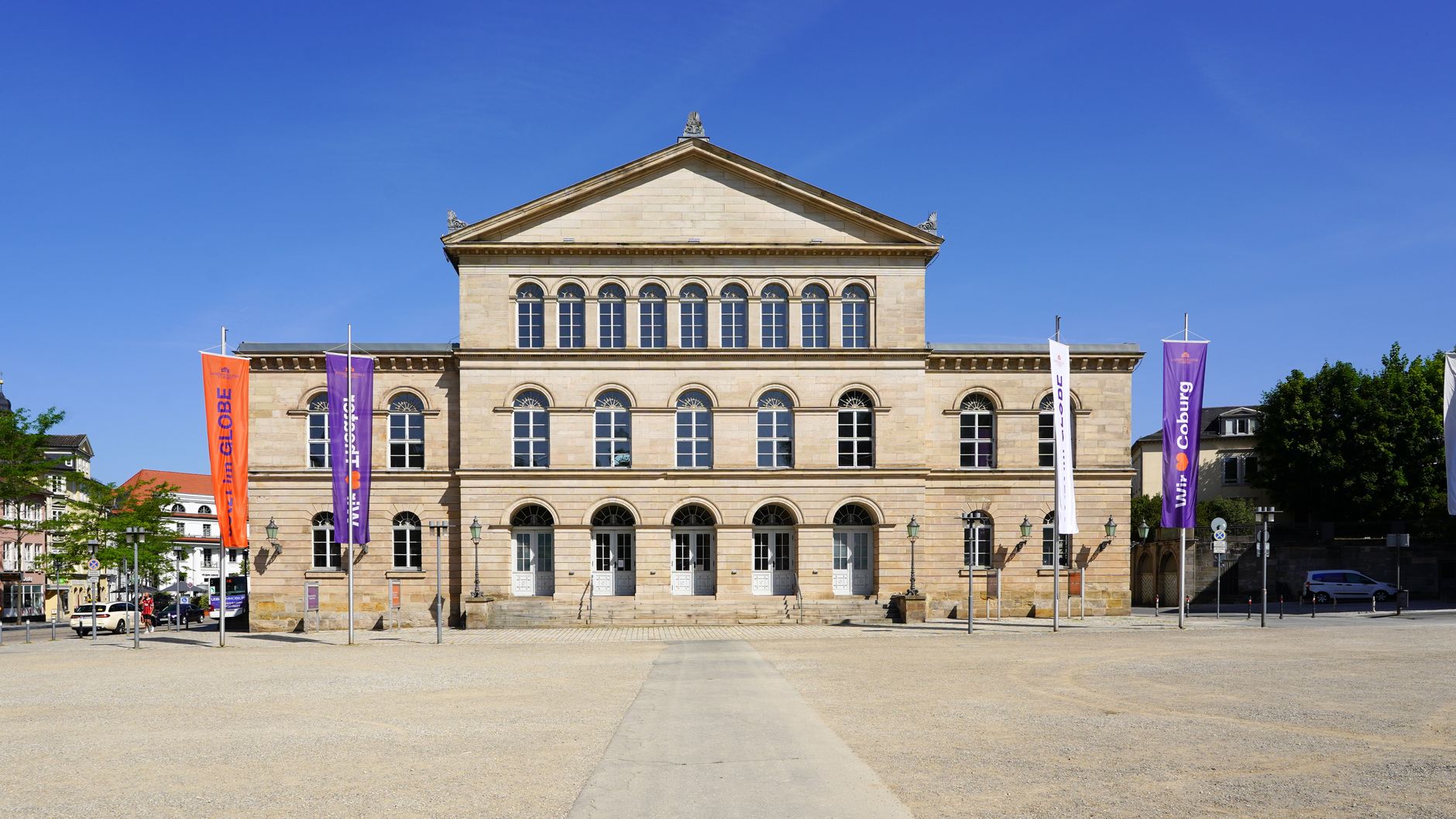
German cultural centers are set to close amid rising tensions between Russia and Europe over support for Ukraine. This decision reflects the ongoing geopolitical strife and its impact on cultural diplomacy.
Background on the Closure
The recent decision to close German cultural centers in Russia marks a significant shift in the cultural landscape amid escalating geopolitical tensions. These centers have long served as vital links, fostering cultural exchange and understanding between Germany and Russia. Their closure comes at a time when relations between the two nations are at a low point, primarily due to the ongoing conflict in Ukraine.
German cultural centers have provided a platform for promoting the German language, literature, and arts, allowing for meaningful interactions between the two countries. Many have hosted events, exhibitions, and educational programs that highlighted the richness of German culture, encouraging dialogue and collaboration.
However, the decision to shut these centers is seen as a retaliatory measure in the context of worsening diplomatic relations. The move raises concerns about the future of cultural diplomacy, which plays a crucial role in bridging divides and fostering mutual respect.
The closures not only impact the cultural initiatives but also affect the communities that have benefited from these exchanges. As tensions continue to rise, the fate of German cultural centers serves as a poignant reminder of how international conflicts can disrupt cultural connections.
In summary, the closure of German cultural centers highlights the fragility of cultural ties in the face of political strife, leaving many to question the long-term implications for cultural diplomacy.
Impact on Cultural Exchange
The closure of German cultural centers in Russia is expected to have significant repercussions on cultural exchange between the two nations. These centers have served as vital hubs for fostering understanding and promoting German language and culture throughout Russia. The decision to shut them down comes at a time when diplomatic relations are already strained, further complicating the landscape of cultural interactions.
The implications of this closure are profound:
- Loss of Language Programs: German cultural centers offered various language courses that attracted many Russians interested in learning German. The closure will limit access to these educational opportunities.
- Reduced Cultural Events: These centers regularly hosted cultural events, including film screenings, art exhibitions, and concerts. The cancellation of such events will diminish the cultural offerings available to the Russian public.
- Decreased Collaboration: The centers facilitated collaborations between German and Russian artists and scholars, fostering a rich exchange of ideas. Their absence will hinder future partnerships and creative projects.
- Impact on Community Engagement: Many local communities benefited from the outreach programs provided by these centers. The closures will leave a void in initiatives aimed at promoting cultural dialogue and understanding.
As tensions escalate, the future of German cultural centers remains uncertain, raising concerns about the long-term effects on cultural diplomacy.
Responses from Germany
The recent decision to close German cultural centers has sparked significant reactions from various sectors in Germany. Many cultural leaders and politicians have expressed their dismay over the move, arguing that it undermines the important role these centers play in fostering international dialogue and cultural exchange.
Prominent voices in the arts community have voiced their concerns:
- Katarina Wiegand, a well-known director, stated, “Cultural diplomacy is essential, especially in turbulent times. The closure of these centers sends a message of isolation rather than cooperation.”
- Hans Müller, an influential author, remarked, “German cultural centers are bridges that connect people and ideas. Losing them hampers our ability to understand each other.”
- Anna Schmidt, a cultural historian, suggested, “This decision reflects a broader trend of politicizing culture, which could have long-lasting repercussions for future generations.”
Additionally, government officials have called for a reconsideration of this decision, emphasizing that fostering cultural ties is crucial in de-escalating tensions. As the situation evolves, the fate of German cultural centers remains a focal point for dialogue and reconciliation amidst the ongoing crisis.
International Reactions
International reactions to the closure of German cultural centers in Russia have been swift and varied, reflecting the broader geopolitical tensions in the region. Many countries have expressed concern over the decision, viewing it as a detrimental move that could hinder cultural exchange and understanding between nations.
Several European leaders have condemned the closure, emphasizing the importance of cultural diplomacy in times of strife. The German government has labeled the action as a significant blow to the promotion of German culture abroad, which has historically facilitated dialogue and cooperation.
Notably, cultural figures from various countries have spoken out against the move, asserting that cultural centers serve as vital links between people. They argue that these institutions help build bridges and foster mutual respect, even amidst political discord.
In contrast, some Russian officials have defended their decision, framing it as a necessary response to what they perceive as external pressures. They argue that the cultural centers had become tools for foreign influence rather than genuine cultural exchange.
As the situation evolves, the future of German cultural centers abroad remains uncertain. Observers predict that the fallout from these closures may have lasting implications for cultural interactions and collaborations across Europe.
Historical Context of Tensions
The historical context of tensions between Russia and Germany can be traced back to several key events that have shaped their relationship over the years. The aftermath of World War II marked the beginning of a complex dynamic, characterized by ideological divides during the Cold War.
In recent years, particularly following Russia’s annexation of Crimea in 2014, relations have significantly deteriorated. The conflict in Ukraine has further exacerbated these tensions, leading to a hardening of positions on both sides. This backdrop is crucial for understanding the decision to close German cultural centers in Russia.
German cultural centers have long been viewed as vital institutions for fostering dialogue and understanding between nations. They have been instrumental in promoting German language and culture while also encouraging cultural exchange. However, as political tensions rise, these centers find themselves caught in the crossfire.
Recent developments indicate a shift in Russia’s approach towards cultural diplomacy. The closure of these centers not only symbolizes the fracturing relationship but also signals a broader trend of diminishing cultural ties in an increasingly polarized world.
As nations grapple with the implications of their political decisions, the fate of German cultural centers serves as a poignant reminder of the role culture plays in international relations, and the potential consequences of severing these connections.
Future of Cultural Relations
The future of cultural relations between Germany and Russia appears increasingly uncertain, particularly in light of recent developments surrounding the closure of German cultural centers. These institutions have long served as vital conduits for fostering understanding and cooperation, showcasing not only German art and language but also providing a platform for dialogue between the two nations. However, the ongoing geopolitical tensions have strained these relationships to a breaking point.
As the Russian government moves to close these centers, the implications for cultural exchange are profound. The closures threaten to sever the channels through which cultural diplomacy has traditionally flowed, impacting not just the societies involved but also the broader European landscape. Many fear that this step signals a retreat into isolationism, undermining decades of progress made in building mutual respect and collaboration.
In response, numerous artists, educators, and cultural advocates are calling for a reevaluation of how cultural initiatives can adapt to these challenges. Suggestions include:
- Establishing virtual programs that maintain contact despite physical closures.
- Collaborating with third-party nations to mediate cultural exchanges.
- Promoting grassroots initiatives that leverage local communities to continue sharing cultural narratives.
Ultimately, the fate of German cultural centers and their role in fostering international relationships hinges on the ability of both nations to navigate these turbulent waters thoughtfully.
Analysis of Political Implications
The decision to close German cultural centers in Russia signals a significant escalation in the ongoing diplomatic tensions between the two nations. These centers have long served as vital hubs for fostering cultural exchange and understanding, providing a platform for art, language, and shared heritage. The closure not only affects the dissemination of German culture but also reflects broader geopolitical struggles.
As hostilities between Russia and the West intensify, the implications of such closures extend beyond mere cultural loss. The move is seen as a calculated response by the Russian government to demonstrate its discontent with European support for Ukraine. By targeting German cultural institutions, Russia aims to undermine the soft power that Germany has cultivated over the years.
This action raises questions about the future of cultural diplomacy. With the German cultural centers now shuttered, opportunities for dialogue and collaboration are severely diminished. The cultural landscape is now likely to become more polarized, potentially fueling animosity rather than fostering mutual understanding.
Moreover, the impact on the Russian populace could be profound. Many Russians have benefited from the programs offered by these centers, gaining insights into German language and culture. The closure thus deprives them of valuable resources and experiences, further isolating them from the broader European narrative.
Conclusion and Outlook
In conclusion, the closure of German cultural centers in Russia marks a significant turning point in the cultural exchange landscape. This action, driven by escalating tensions between Russia and Europe, threatens to sever vital links that have fostered understanding and collaboration between the two regions. The impact of this decision extends beyond mere diplomatic friction; it jeopardizes the rich tapestry of cultural dialogue that has flourished over the years.
Looking ahead, the future of cultural relations between Germany and Russia appears increasingly precarious. The closures not only diminish opportunities for artistic collaboration but also risk alienating younger generations who may be deprived of exposure to each other’s cultures. As tensions persist, both nations must grapple with the consequences of this cultural withdrawal.
Furthermore, the reaction from the international community underscores the importance of cultural centers as platforms for dialogue. Many advocate for the preservation of these institutions, highlighting their role in bridging divides. In light of this, stakeholders must explore alternative avenues for cultural exchange that transcend political barriers.
While the current climate suggests a bleak outlook, there remains hope for the revival of German cultural centers in the future. A renewed commitment to fostering understanding through culture could pave the way for improved relations, ultimately benefiting both nations and enriching the global cultural landscape.
Photo by Wolfgang Weiser on Pexels