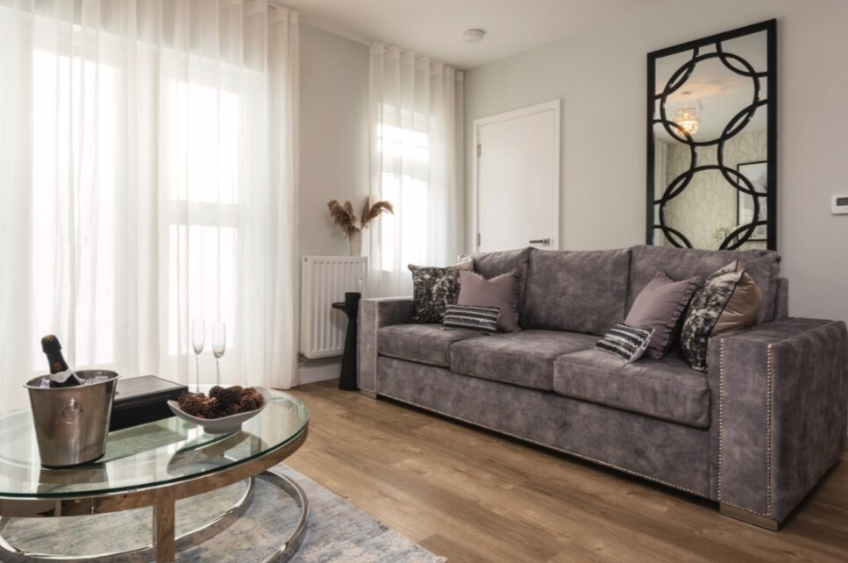
A well-chosen white skirting board not only protects the base of your walls but also adds a finishing touch that defines a room’s style. Among various options, white skirting boards have long been favored for their timeless appeal and versatility. Their crisp, clean lines create a visually appealing boundary between walls and floors, elevating the overall interior design while offering practical benefits.
Enhancing Room Definition
One of the key advantages of white skirting boards is their ability to provide a clear, neat edge at the junction between walls and floors. This sharp boundary helps frame the room and emphasizes architectural details. The contrast between the white skirting and darker floorboards or painted walls creates a striking visual effect that highlights the room’s proportions and layout.
The clean edge created by white skirting boards also helps balance the colors in a space. In rooms with bold or dark walls, the white trim acts as a refreshing break, preventing the space from feeling too heavy or closed in. Conversely, in light or neutral rooms, white skirting maintains an airy and cohesive look.
Timeless Style for Any Interior
White skirting boards are incredibly adaptable and complement virtually every style of décor. From traditional to contemporary, coastal to minimalist, they blend seamlessly with diverse color palettes and furnishings.
In classic interiors, white skirting often features decorative profiles such as ogee or pencil rounds that add subtle elegance and detail. For modern spaces, simpler square-edge skirting boards painted in bright white deliver a sleek, understated finish that complements clean lines and open layouts.
This versatility makes white skirting a popular choice among designers and homeowners who want a look that will stand the test of time without feeling dated or overly trendy.
Durability and Practical Benefits
Beyond aesthetics, white skirting boards play a functional role in protecting walls from everyday wear and tear. Positioned where walls meet floors, they shield against knocks, scuffs, and vacuum cleaner bumps that can damage paintwork or drywall.
Modern white skirting boards are typically made from durable materials like MDF or hardwood that hold up well over time. When properly primed and painted with quality finishes, they resist chipping and moisture, making them suitable for kitchens, hallways, and other high-traffic areas.
Additionally, the smooth painted surface of white skirting boards makes cleaning easy. Dust, dirt, or marks can be wiped away quickly, helping maintain the fresh and crisp appearance that defines this style.
Easy to Coordinate with Flooring and Walls
Another benefit of white skirting boards is their compatibility with various flooring types. Whether you have natural wood, laminate, tile, or carpet, white skirting creates a neutral border that ties the floor and wall together.
Homeowners can choose wider or taller skirting boards painted white to make a bold architectural statement, or opt for slimmer profiles for a more subtle finish. In either case, the white color acts as a visual bridge, ensuring the floor flows seamlessly into the walls.
White skirting also allows flexibility in wall color choices. It contrasts beautifully with darker or vibrant walls but can also harmonize with soft pastels and neutrals, making repainting or updating décor simple.
Conclusion
White skirting boards offer an elegant combination of style and practicality. Their crisp, clean edges bring definition to rooms, enhance architectural features, and protect walls from damage. Adaptable to countless interior designs and easy to maintain, they remain a popular choice for anyone seeking a polished, timeless finish for their living spaces. Whether in a classic Victorian home or a modern apartment, white skirting boards continue to create that perfect crisp boundary that completes any room.